

Saving with Fire
How Prescribed Burns Protect and Restore
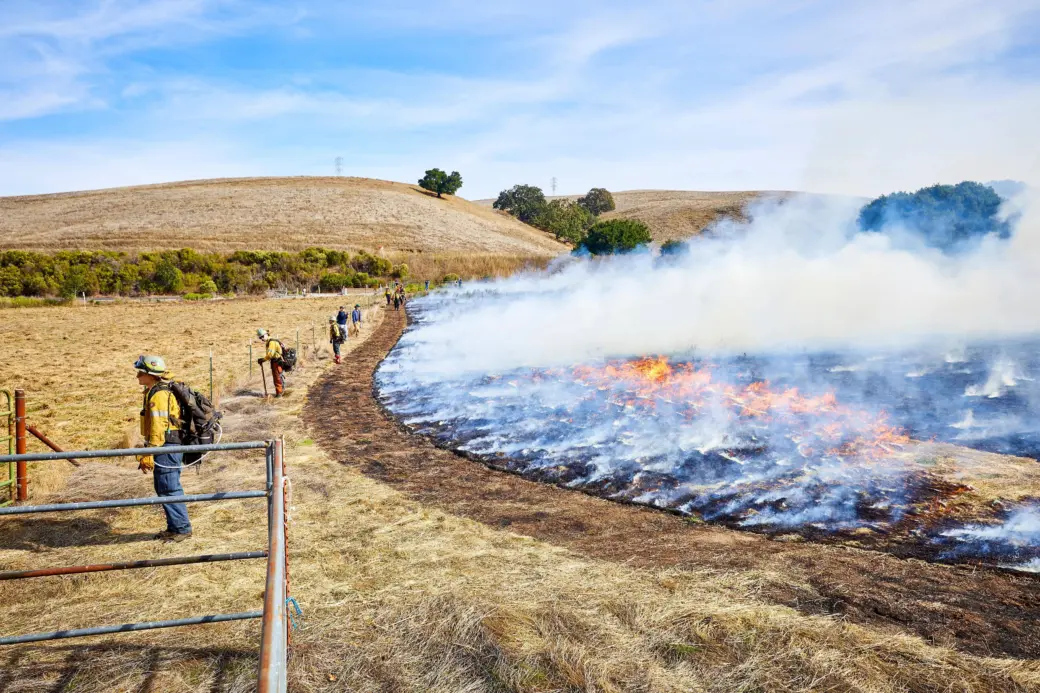
The smoke drifts low across the dry grassland, moving the way the burn plan said it should. It's early morning at one of JMLT's properties, and fire is doing what it has done here for thousands of years. This time, we’re working with it instead of against it.
For decades, we've been taught that fire is the enemy of conservation. But the real problem isn’t fire at all. It’s how much we’ve forgotten about how these landscapes actually work.
What We Forgot About Fire
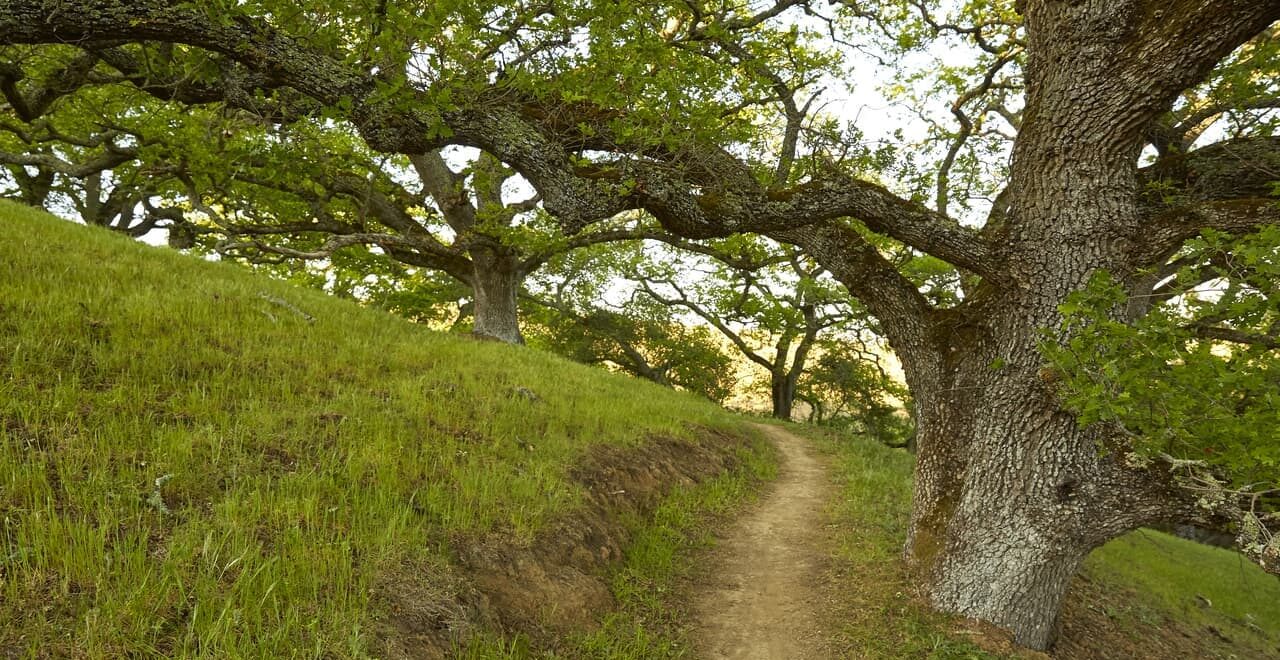
Before European colonization, fire moved through East Bay grasslands and oak woodlands every 5 to 15 years. The Ohlone and other Indigenous peoples were master fire stewards, using controlled burns to manage the land with a sophistication that took ecologists generations to recognize.
For Indigenous land stewards, fire was routine maintenance. They kept invasive grasses in check, stimulated native wildflower blooms, reduced fuel loads that might otherwise create dangerous wildfires, and created the mosaic of habitats that California's wildlife evolved alongside. Coast live oaks, blue oaks, buckeyes. These trees evolved with fire as a regular visitor.
Fire as a Conservation Tool
At JMLT, we're working to bring fire back into the landscape in a way that makes sense today. Prescribed burns—planned, tightly controlled fires done under specific weather conditions—help recreate the role fire once played.
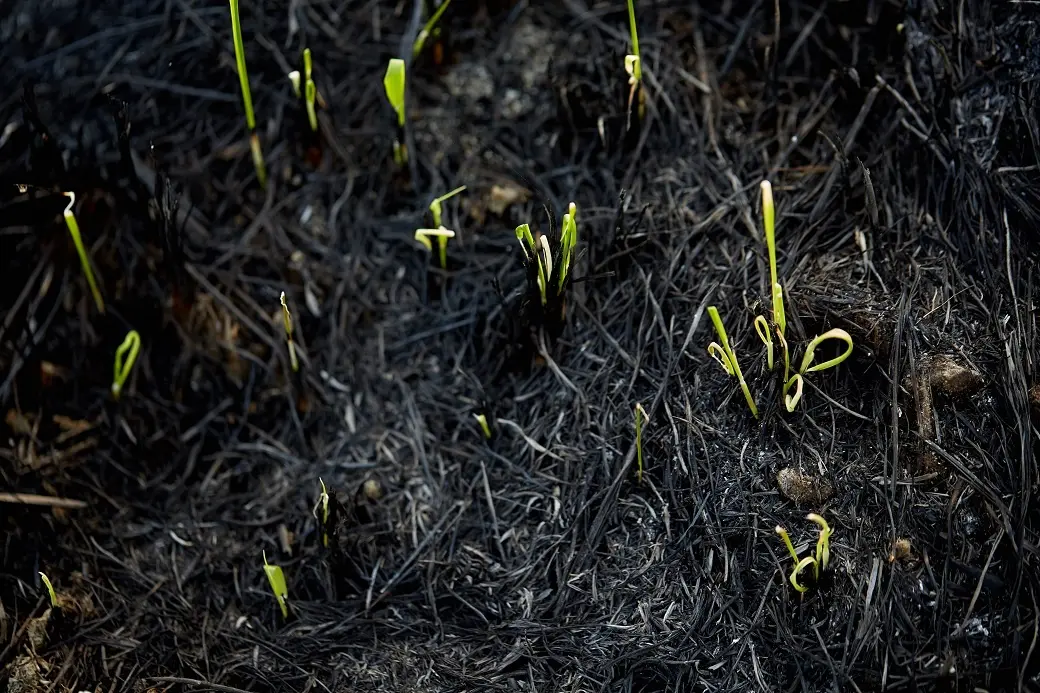
You can see the difference in a matter of weeks after a burn. Native perennial grasses begin to emerge in the charred dirt, freed from the dense thatch of invasive grasses that typically dominate our hillsides. Wildflowers long buried in the seed bank finally get sunlight and room to grow. And nutrients locked up in dead plant material return to replenish the soil.
Enter the BurnBot
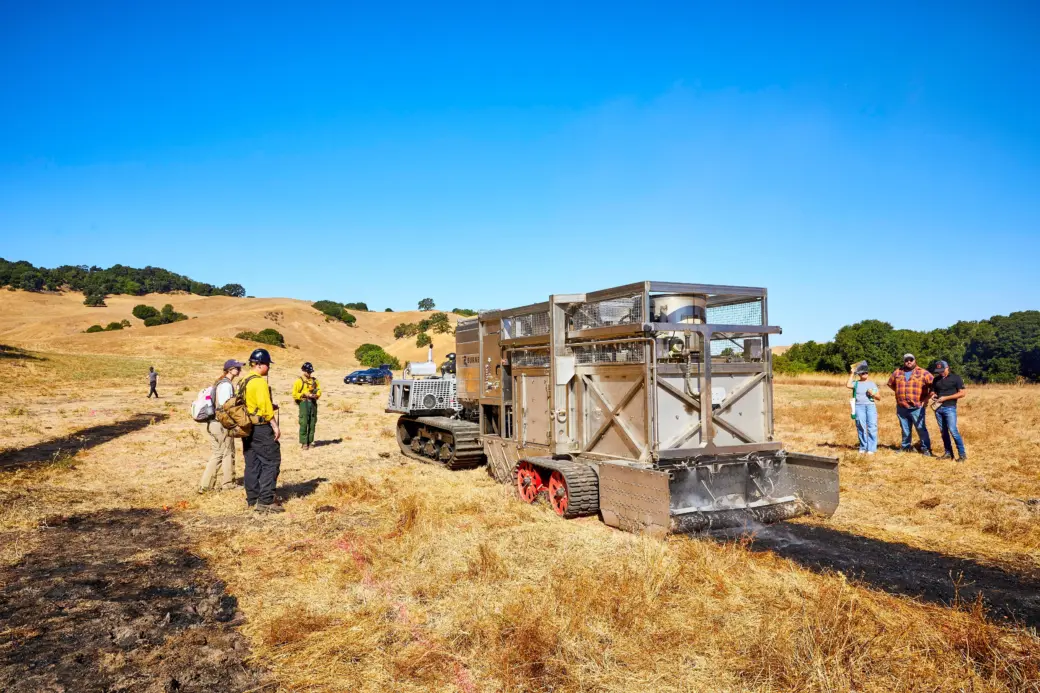
Last year, we tried something new: a BurnBot.
It sounds a bit like science fiction. In practice, it solves a very real problem. Conducting prescribed burns requires specific weather conditions: the right temperature, humidity, wind speed, and fuel moisture. Those windows are narrow and often unpredictable. You need trained personnel, extensive planning, permits, and often a small army of support staff. All of which makes prescribed fire expensive, logistically complex, and difficult to scale.
The BurnBot—a remotely operated vehicle that ignites vegetation while keeping the crew at a safe distance—doesn't replace human expertise. But it expands what's possible. It allows for more precise ignition patterns, reduces risk to staff, and can work in terrain that's challenging for traditional burn crews.
After the Burn
If you walk a property a few weeks after a controlled burn, the earth is black, but also alive. Green shoots push through the ash. You can feel the release in the landscape, as if it were exhaling.
This is what restoration looks like—active, uneven, and always changing. We can't manage these ecosystems by simply leaving them alone, not after more than a century of fire suppression has fundamentally altered how they function. But we can work with natural processes. We can remember what Indigenous land stewards have always known: fire is how we care for the land.
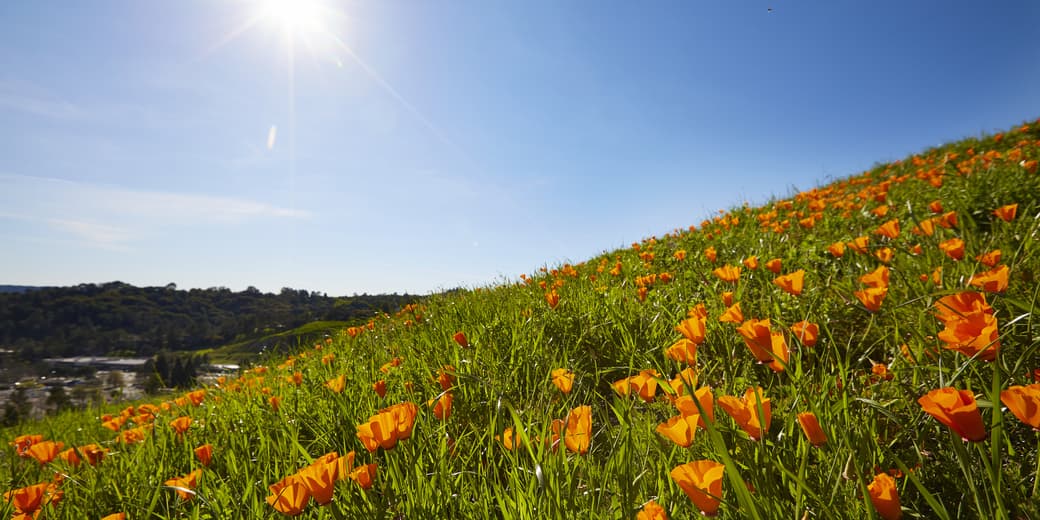
As climate change intensifies California's fire season, prescribed burns build resilience. Every acre we burn under controlled conditions is an acre less likely to fuel the next megafire. Every native plant community we restore becomes better equipped to withstand drought, heat, and the disruptions that climate change promises.
Learning to Burn Again
The work has its challenges. Prescribed burns demand extensive planning. Air quality regulations, particularly in the East Bay, can limit burn windows. There's always risk—controlled fire is still fire. And there's a learning curve as we rebuild expertise that was systematically lost over generations.
But we're committed to this work because the alternative—continuing to suppress fire—simply isn't viable. Our landscapes are calling for fire. They're built for it, shaped by it, resilient because of it.
So we'll keep lighting fires, carefully and deliberately, with respect for both the science and the thousands of years of Indigenous knowledge that preceded it. We'll continue learning, adapting, and experimenting with BurnBots and other tools that can help us scale the work to meet the need.
Sometimes, protecting the land means letting it burn.